Effective Ways to Enhance Student Participation
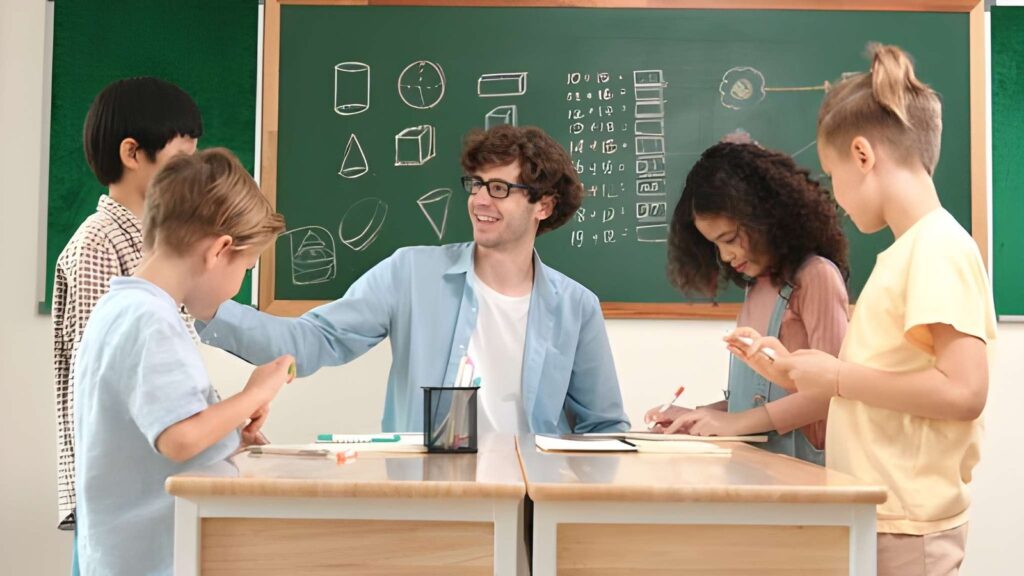
Student participation is one of the strongest indicators of an active, meaningful, and successful learning environment. When students participate in Hubet class discussions, group activities, projects, and problem-solving tasks, they become more engaged, confident, and motivated to learn. However, encouraging participation can be challenging, especially when students feel shy, distracted, unprepared, or afraid of making mistakes.
The good news is that teachers can use practical strategies to improve classroom engagement and create a learning space where every student feels encouraged to contribute. Below are effective ways to enhance student participation and build a more interactive classroom.
Create a Positive and Inclusive Classroom Environment
A supportive classroom environment is the foundation of strong student participation. Students are more likely to speak up when they feel respected, valued, and safe from embarrassment. Teachers should make it clear that mistakes are part of the learning process and that every opinion matters.
Simple actions such as greeting students warmly, learning their names, listening attentively, and acknowledging their contributions can make a big difference. It is also important to set clear expectations for respectful communication. When students know that their classmates will listen without judgment, they are more willing to participate in discussions and activities.
Use Active Learning Strategies
Active learning is one of the most effective ways to increase student engagement. Instead of relying only on lectures, teachers can involve students in activities that require thinking, discussion, and collaboration.
Examples of active learning strategies include:
– Think-pair-share activities
– Group discussions
– Role-playing
– Problem-solving tasks
– Case studies
– Classroom debates
– Hands-on experiments
These methods encourage students to take responsibility for their learning. They also help students develop communication, teamwork, and critical thinking skills. By making lessons more interactive, teachers can keep students interested and involved.
Ask Open-Ended Questions
Questions play a major role in improving student participation. Instead of asking only questions with one correct answer, teachers should use open-ended questions that encourage deeper thinking. For example, instead of asking, “What is the definition of climate change?” a teacher might ask, “How do you think climate change affects daily life in different parts of the world?”
Open-ended questions invite students to share opinions, make connections, and explain their reasoning. They also create opportunities for meaningful classroom discussions. Teachers should allow enough wait time after asking a question so students can think before responding.
Encourage Small Group Collaboration
Some students hesitate to speak in front of the entire class but feel more comfortable sharing ideas in small groups. Group work can help quieter students build confidence and participate more actively.
To make group collaboration effective, teachers should assign clear roles such as leader, note-taker, presenter, or timekeeper. This ensures that each student has a responsibility and a reason to contribute. Group tasks should also be structured with clear goals and deadlines to keep students focused.
Small group activities promote peer learning and help students develop social and academic skills. When students discuss ideas with classmates, they often gain new perspectives and a deeper understanding of the lesson.
Connect Lessons to Real-Life Situations
Students are more likely to participate when they understand the relevance of what they are learning. Connecting lessons to real-life situations makes the material more meaningful and interesting.
For example, a math teacher can use budgeting, shopping discounts, or sports statistics to explain mathematical concepts. A science teacher can connect lessons to health, technology, or environmental issues. A language teacher can use real-world communication scenarios such as interviews, emails, or presentations.
When students see how lessons apply to their lives, they become more motivated to ask questions, share experiences, and engage in learning activities.
Use Technology to Boost Engagement
Technology can be a powerful tool for improving student participation. Digital platforms, quizzes, polls, educational games, and discussion boards can make learning more interactive and enjoyable.
Tools such as online polls allow every student to answer questions, including those who may not feel comfortable speaking aloud. Learning management systems and classroom apps can also give students opportunities to participate outside regular class time.
However, technology should support learning goals rather than distract from them. Teachers should choose digital tools that encourage interaction, feedback, creativity, and collaboration.
Provide Positive Feedback and Recognition
Students are more likely to participate when they feel their efforts are noticed. Positive feedback helps build confidence and encourages continued involvement. Teachers should recognize not only correct answers but also effort, improvement, creativity, and thoughtful questions.
Feedback can be as simple as saying, “That is an interesting point,” or “I appreciate how you explained your thinking.” Public recognition, participation points, certificates, or encouraging notes can also motivate students.
It is important to be fair and consistent. The goal is not to pressure students but to create a classroom culture where participation is valued and celebrated.
Offer Different Ways to Participate
Not all students participate in the same way. Some enjoy speaking during discussions, while others prefer writing, drawing, presenting, or using digital tools. Offering multiple participation options allows more students to engage comfortably.
Teachers can encourage participation through:
– Written reflections
– Exit tickets
– Online discussion posts
– Class presentations
– Peer feedback
– Visual projects
– Question cards
By providing different opportunities, teachers can include students with diverse personalities, learning styles, and confidence levels. This makes classroom participation more inclusive and effective.
Set Clear Goals and Expectations
Students need to understand what participation means and why it matters. Teachers should explain expectations clearly at the beginning of a course or lesson. Participation may include asking questions, listening actively, joining group work, completing tasks, or sharing ideas.
Clear rubrics or guidelines can help students understand how their participation will be evaluated. When students know what is expected, they are more likely to take part actively and responsibly.
Build Student Confidence Over Time
Improving student participation does not happen overnight. Some students need time to develop confidence. Teachers should begin with low-pressure activities and gradually introduce more challenging participation tasks.
For example, students can first write their ideas privately, then share with a partner, then speak in a small group, and eventually present to the class. This step-by-step approach helps reduce anxiety and supports steady growth.
Patience, encouragement, and consistency are key. When teachers create repeated opportunities for success, students become more confident and willing to participate.
Conclusion
Enhancing student participation requires more Đăng ký Hubet than simply asking students to speak up. It involves creating a positive classroom environment, using active learning strategies, encouraging collaboration, and offering different ways for students to contribute. By connecting lessons to real life, using technology wisely, and providing positive feedback, teachers can increase classroom engagement and improve learning outcomes.
When students participate actively, they become more confident, curious, and responsible learners. A classroom with strong student participation is not only more energetic but also more effective in helping students achieve academic success.